 NextAzollaEvent
Turning overlooked spaces into carbon infrastructure.
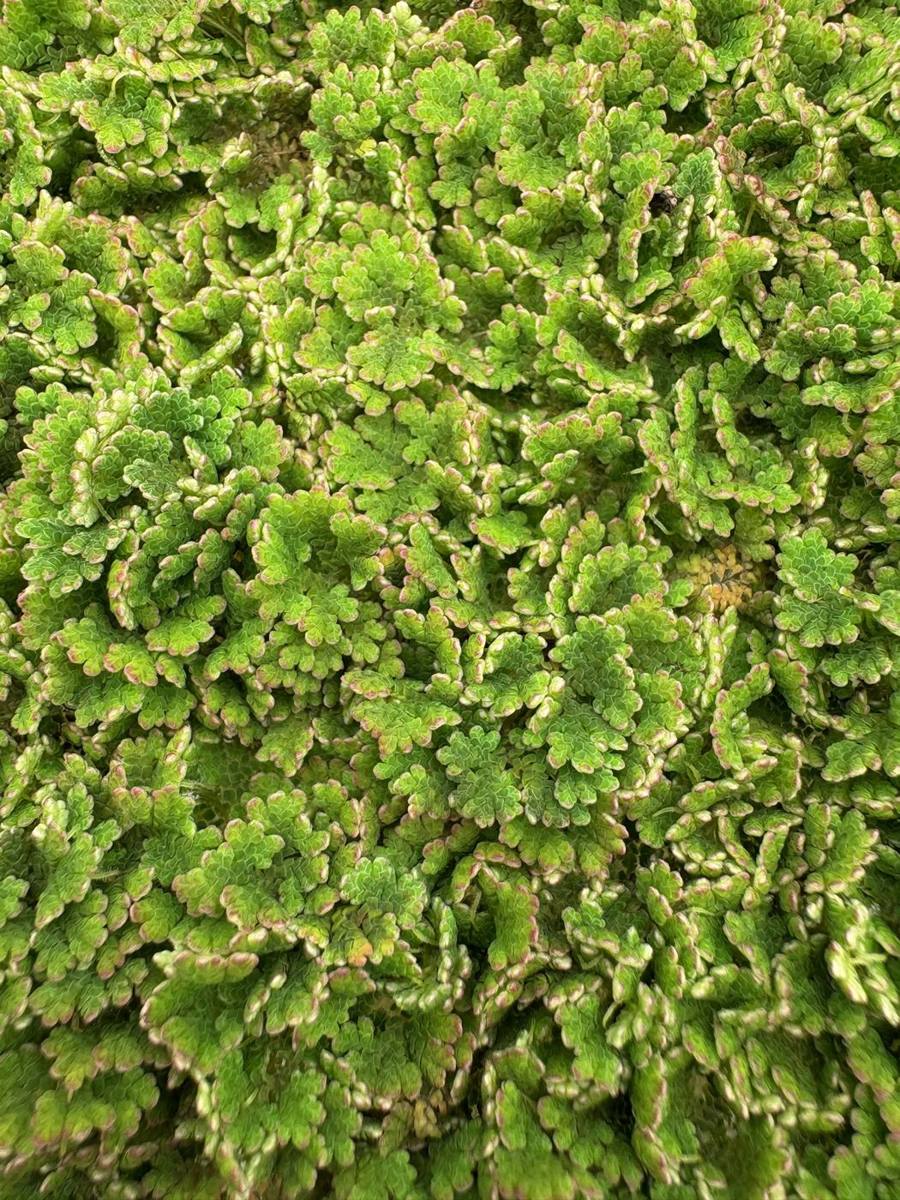
50 million years ago, a fast-growing water fern cooled a greenhouse Earth. We think it can do it again, one small pond at a time.


National Science Foundation research funding, 2025 to 2027
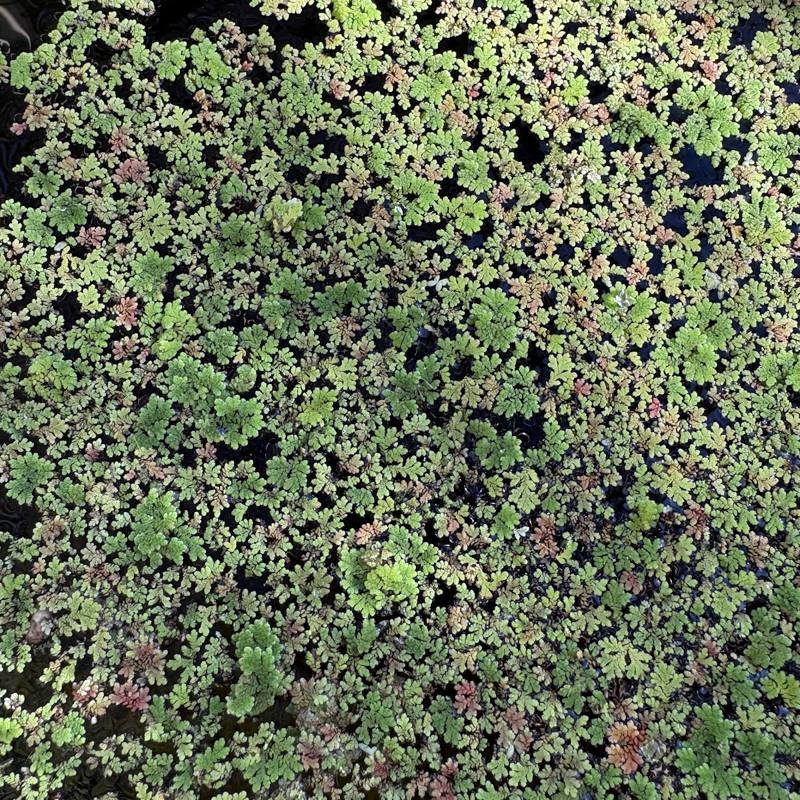
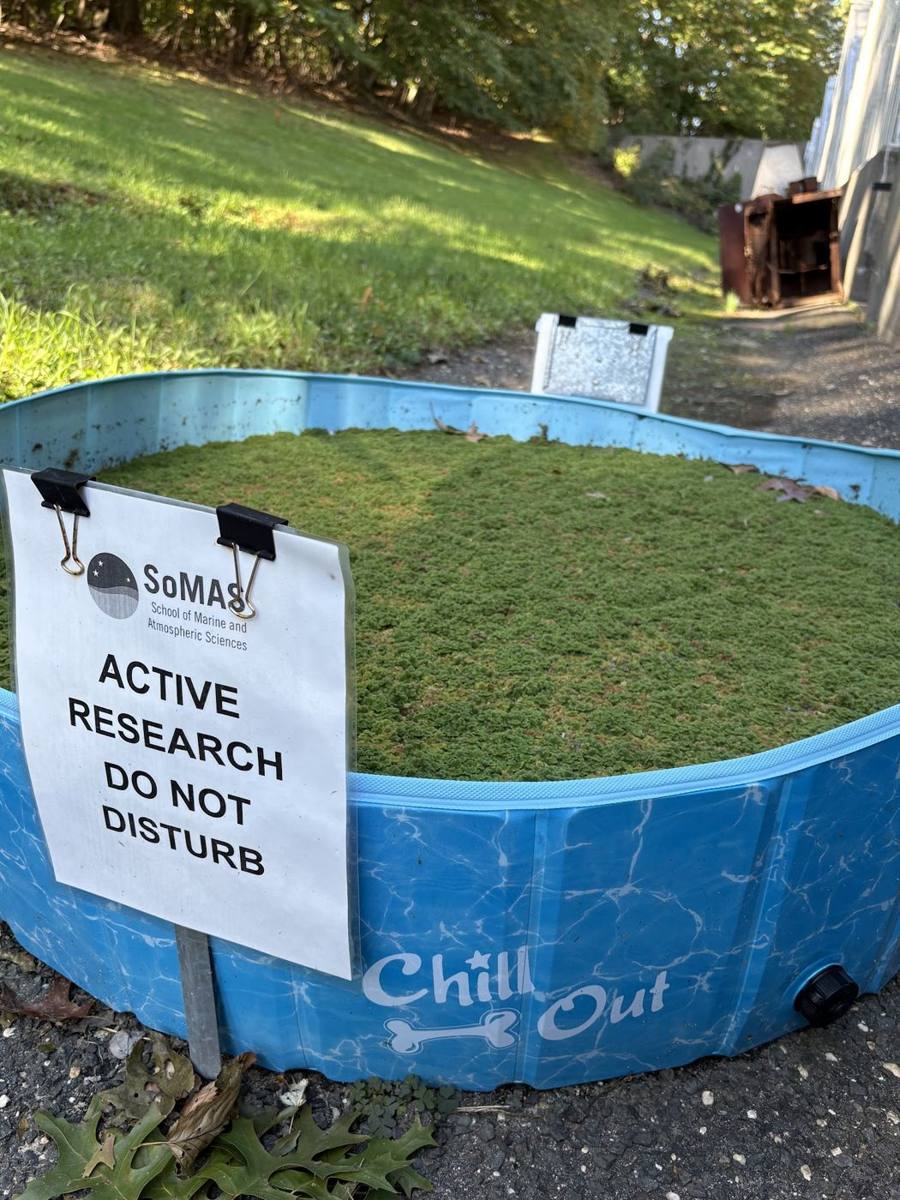
Pilot ponds growing
On campus at the Life Sciences Building and at residential sites
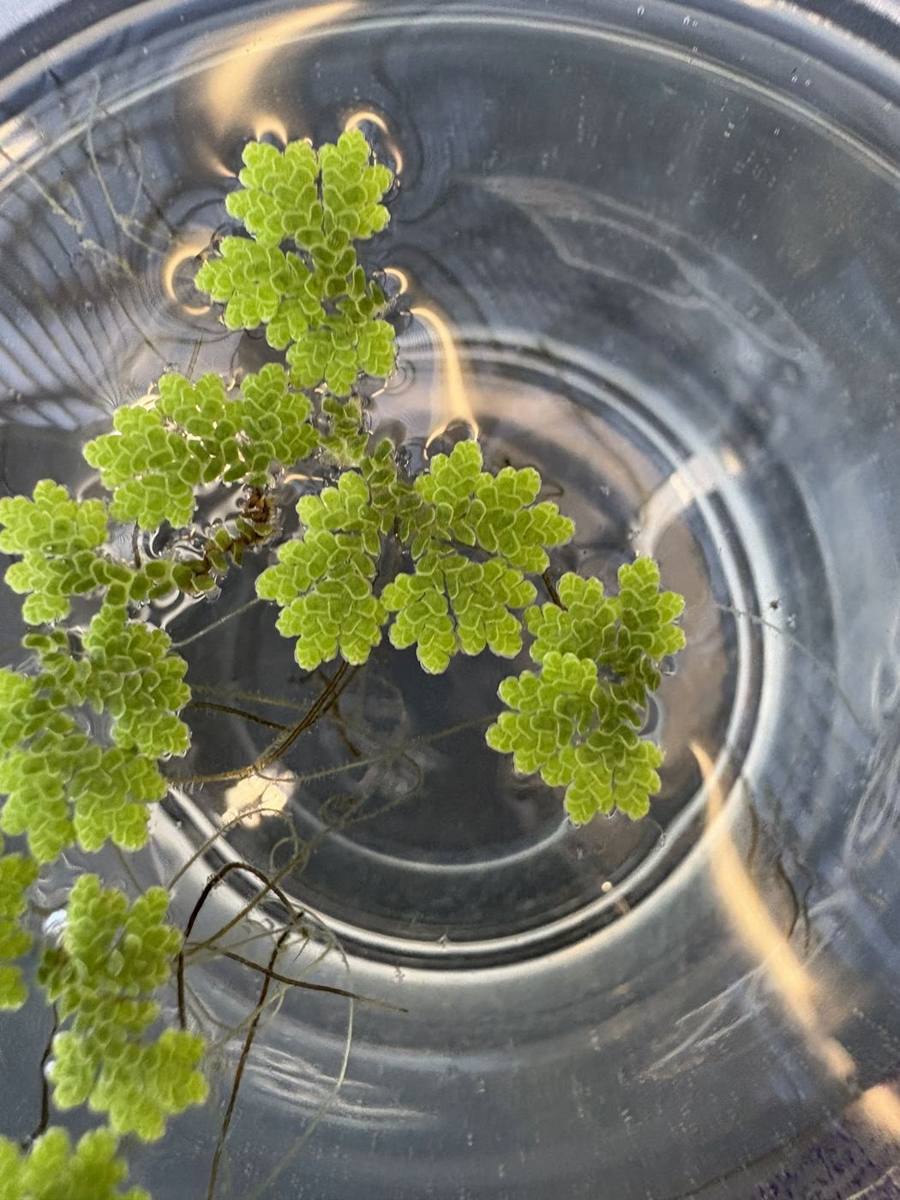
Introducing Azolla
A floating fern smaller than your fingernail that can double its mass in 2 to 5 days.
Our project explores how Azolla can capture atmospheric carbon dioxide, store that carbon, and promote soil health through a cost-effective, scalable strategy.
-
2 to 5 days to double its mass
-
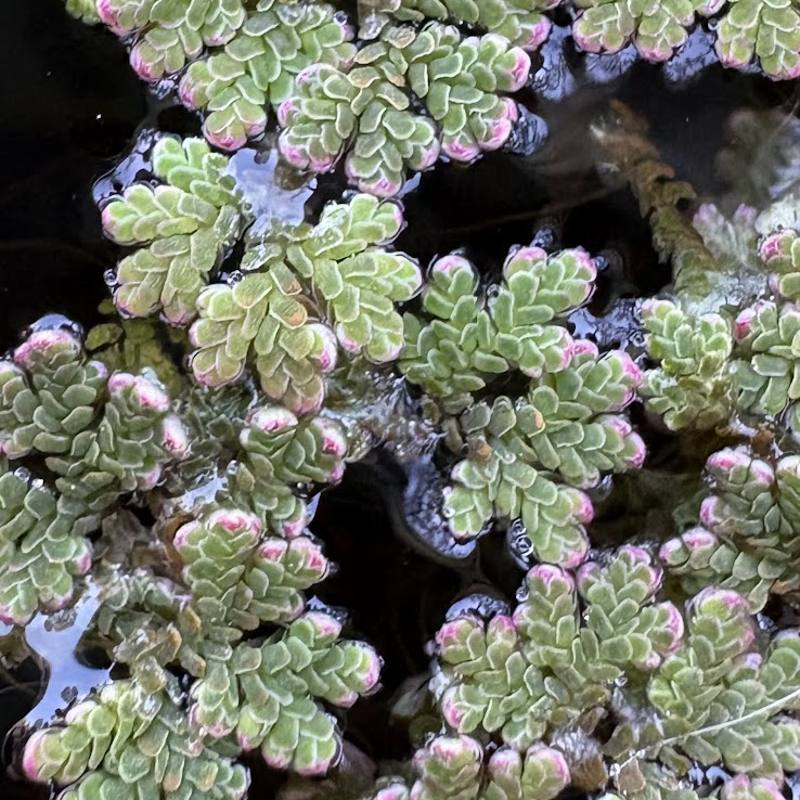
About 40% carbon when dried, drawn from the air
-
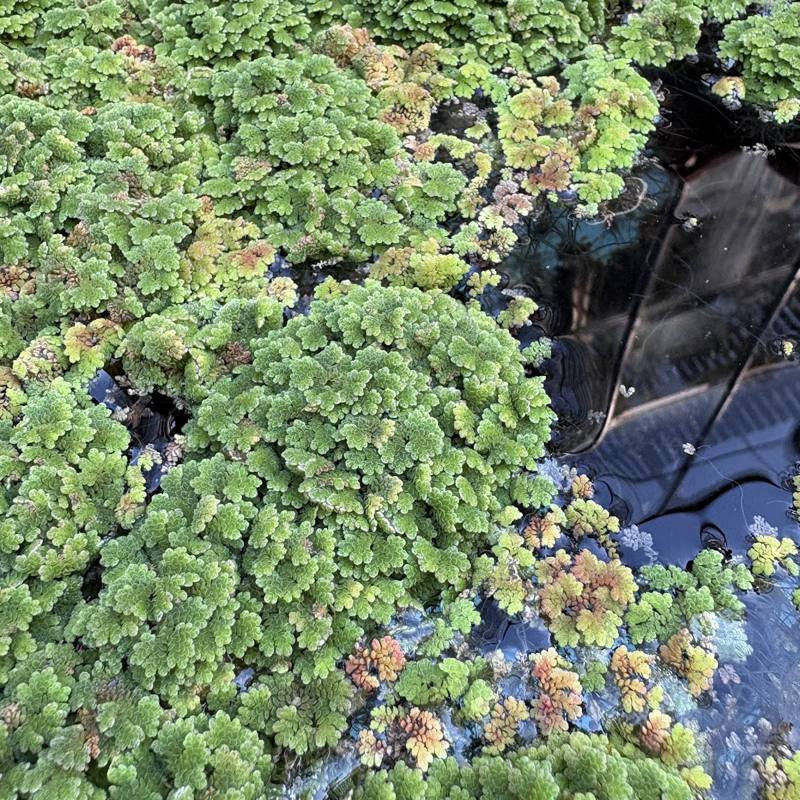
Zero nitrogen fertilizer needed
No nitrogen fertilizer means lower costs over time. Azolla still needs small amounts of other nutrients, mainly phosphorus, which we add with a low-cost fertilizer.
Could your rooftop be a carbon sink?
We're developing small, low-cost ponds designed to turn unused space into places that capture carbon.
How it works
-
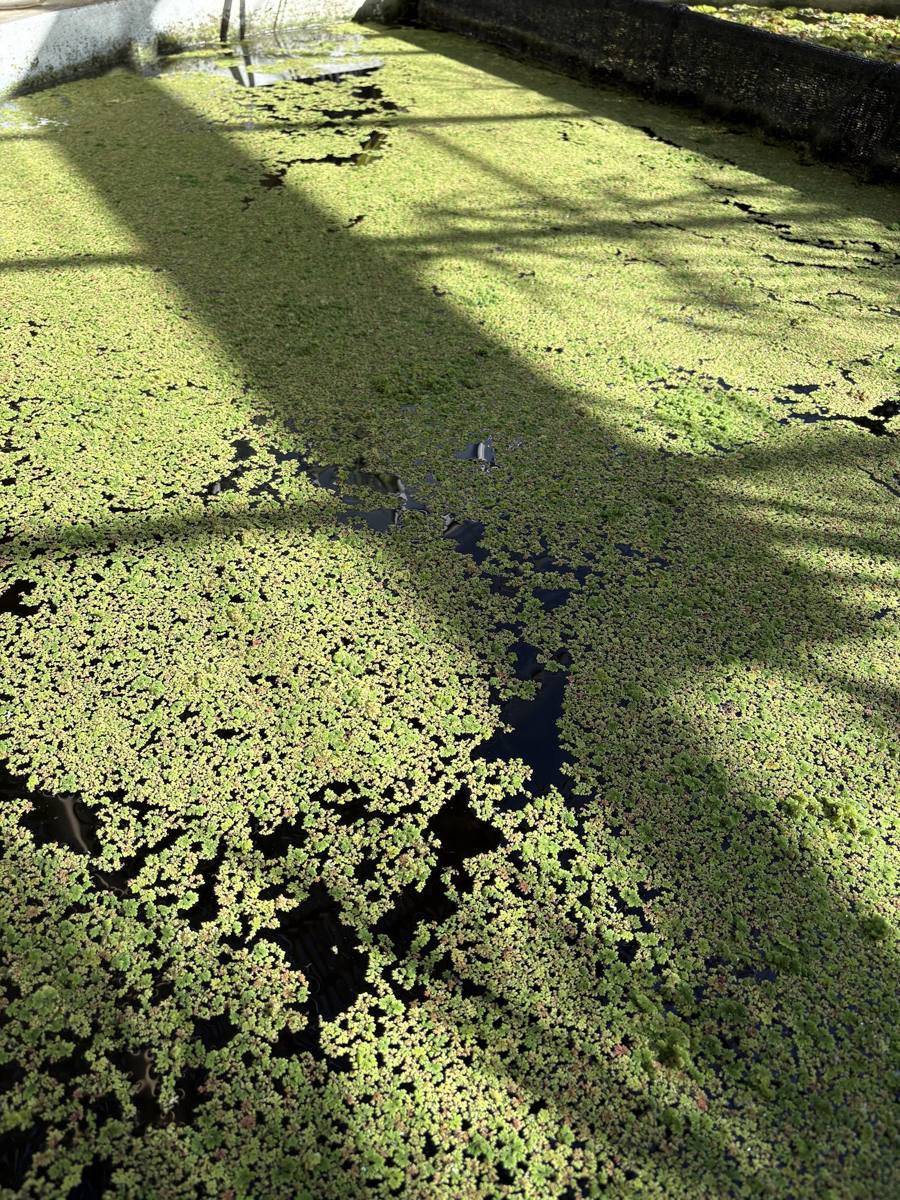
Grow
Azolla pulls carbon dioxide from the air as it grows.
-
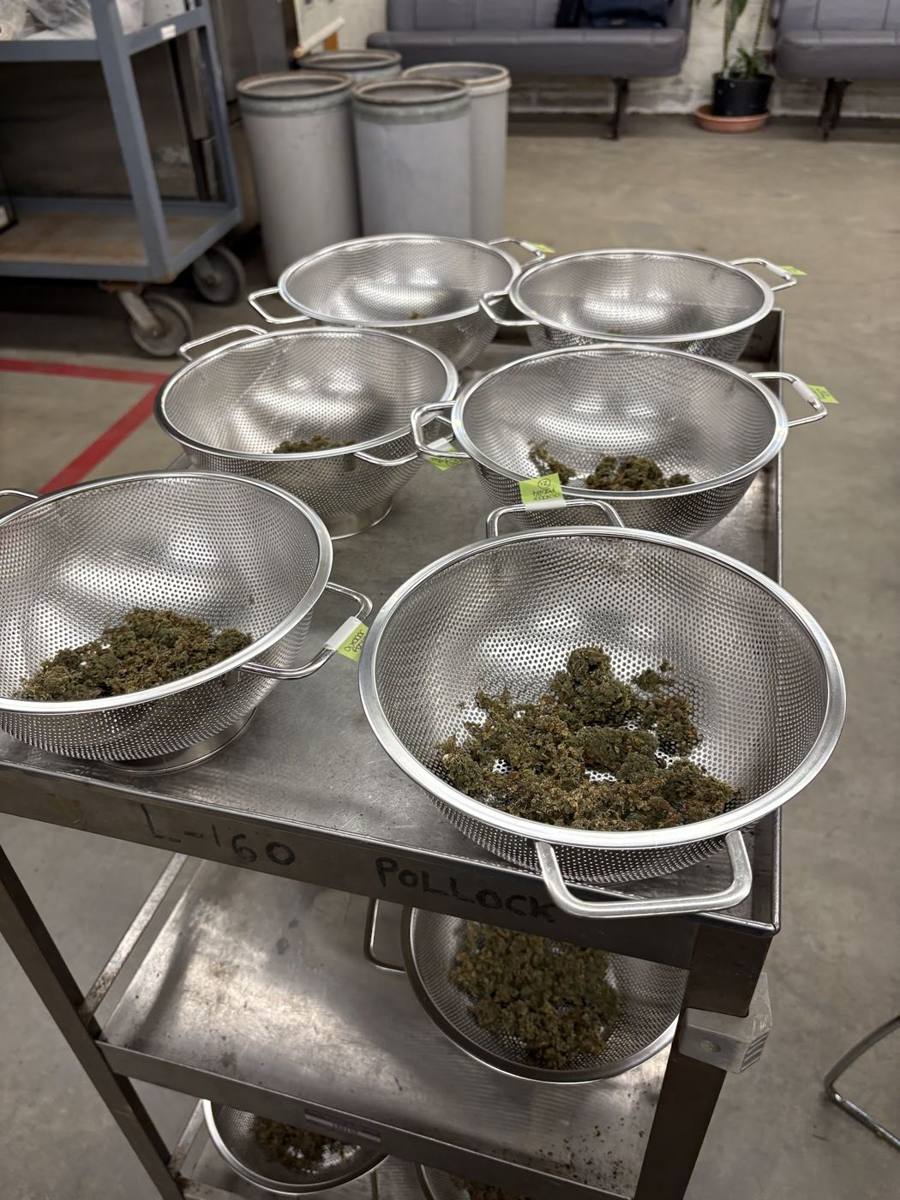
Harvest
Regular harvesting keeps the plants growing at their fastest. We're developing a robot to do it automatically.
-
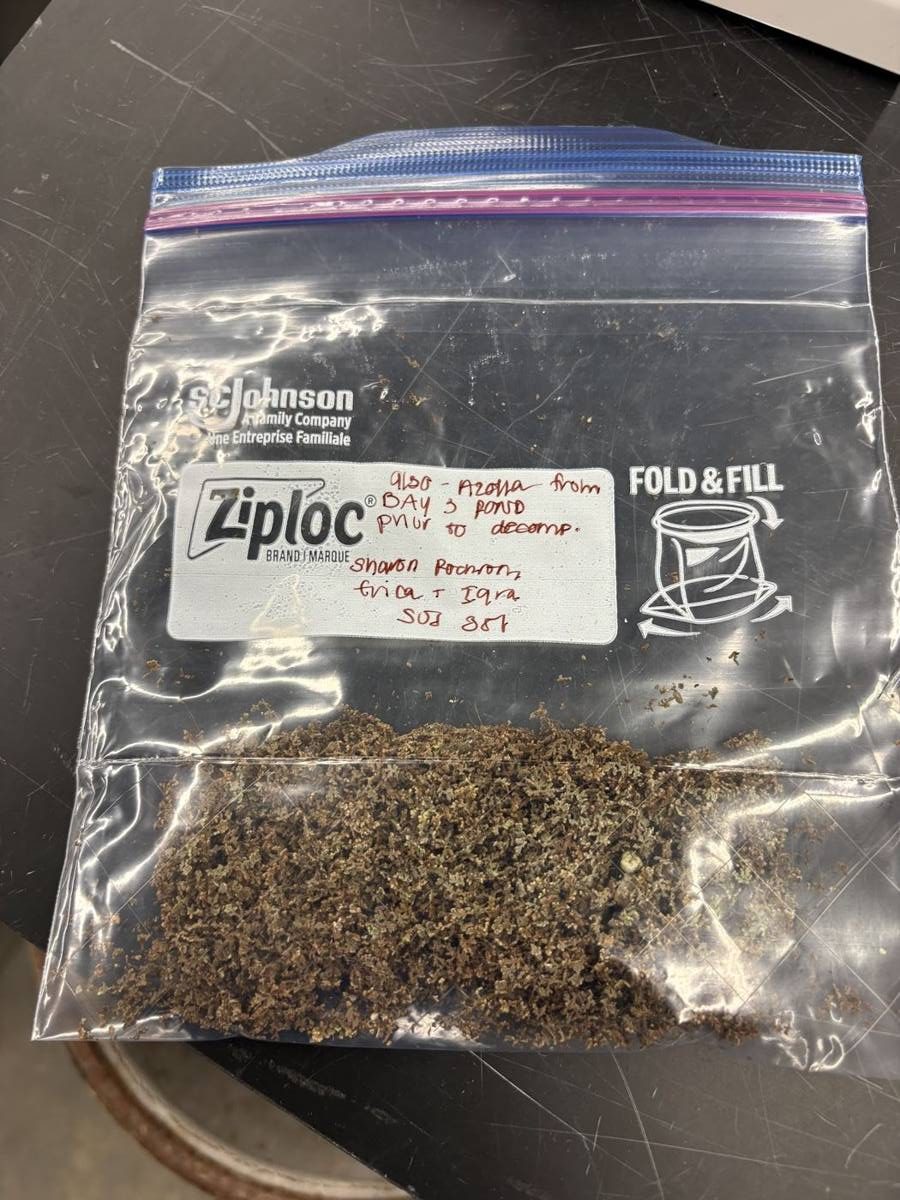
Store
Harvested Azolla dries into a lightweight, carbon-rich mass or goes into soil. We're measuring how long the carbon stays.
Where we are now
- The National Science Foundation funds our research.
- Pilot ponds are growing at university and residential sites.
- An outdoor study that began in 2025 is tracking how long harvested carbon persists.
- A robotic harvester is in development, along with an online dashboard so you can see how much carbon you're storing.
- Proposals to fund sensor and harvester development are currently pending.
Meet the Team
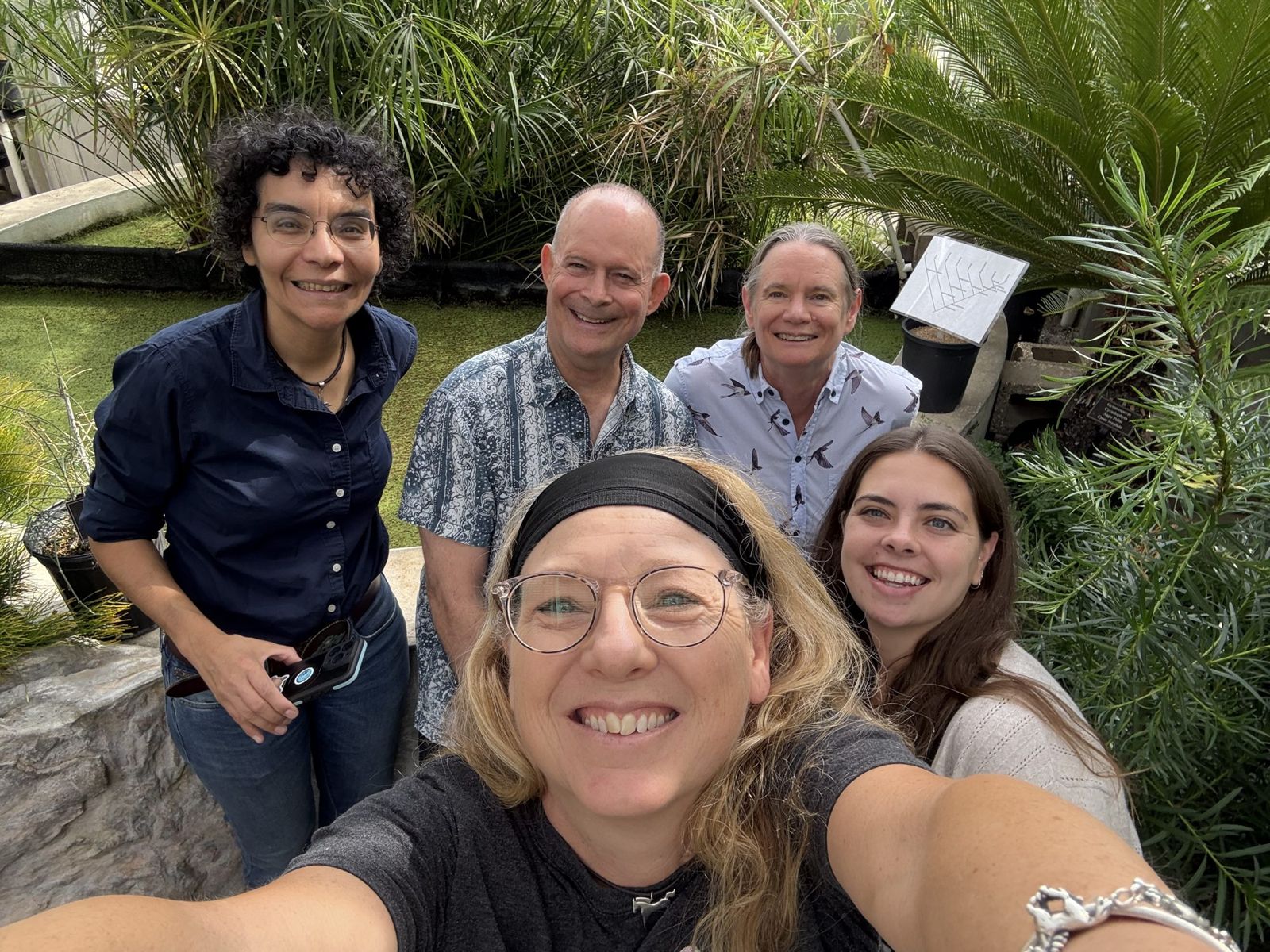
Ecologists, biogeochemists, and modelers at Stony Brook University.