 NextAzollaEvent
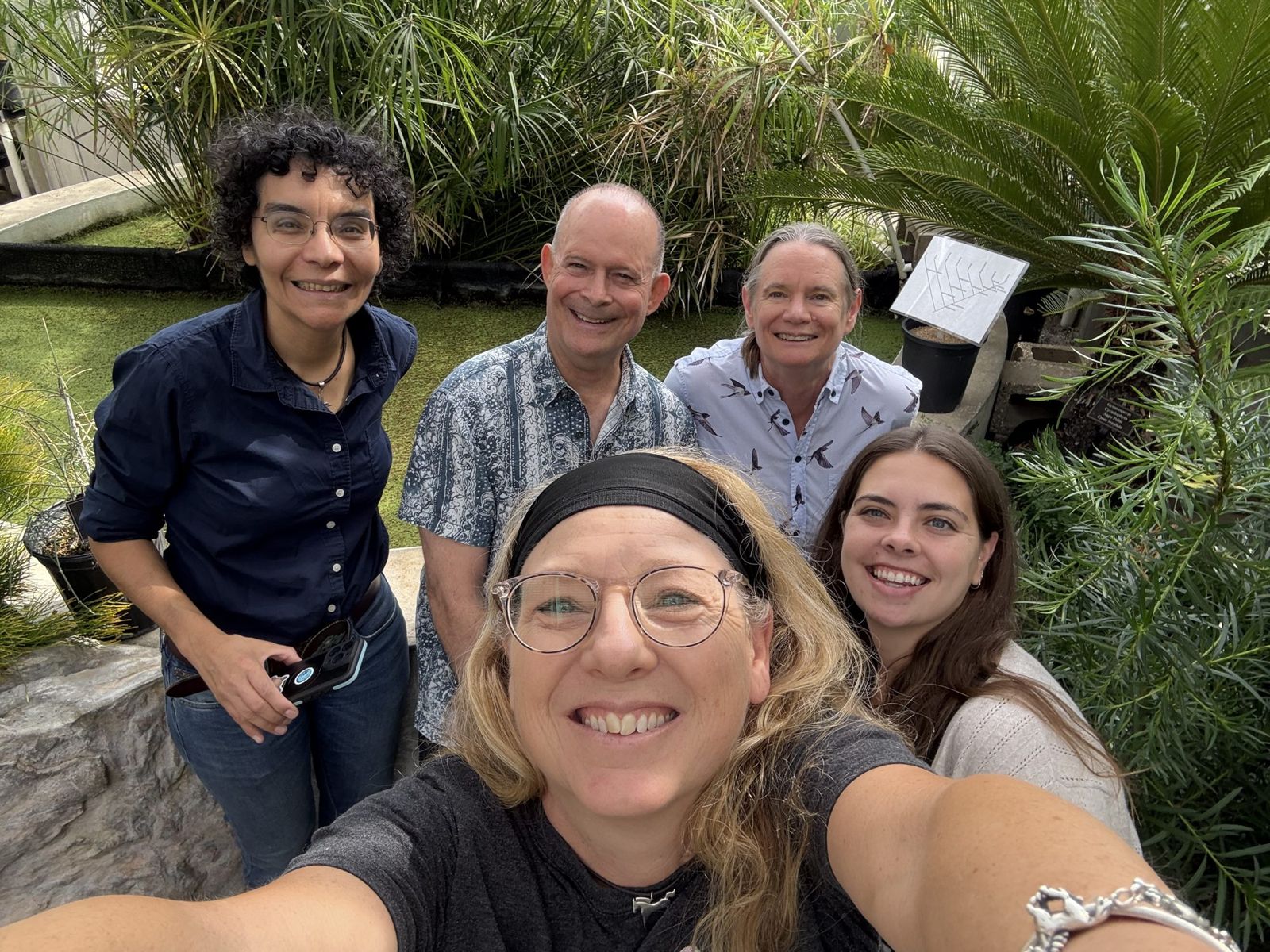
The team
Ecologists, biogeochemists, and modelers at Stony Brook University working out how a tiny fern could help with a very large problem.
-
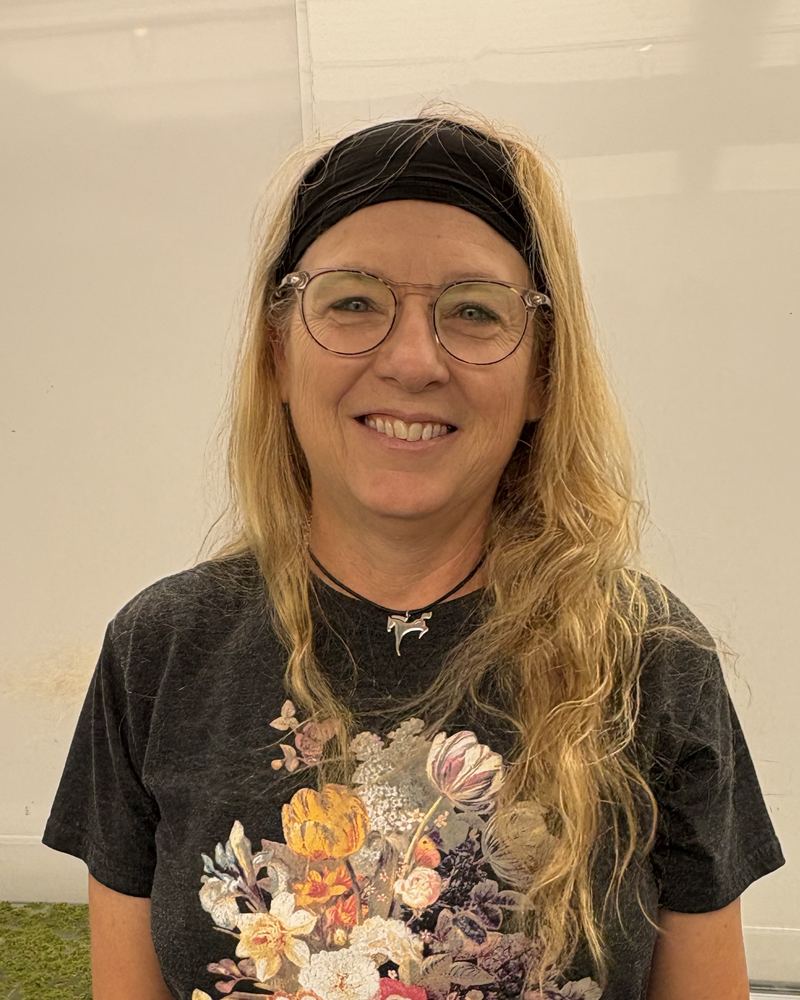
Sharon Pochron, Ph.D.
Project Lead
Assistant Professor, School of Marine and Atmospheric Sciences
Runs the project's greenhouse experiments with her lab and undergraduate students, growing Azolla under different conditions to learn how to capture the most carbon.
-
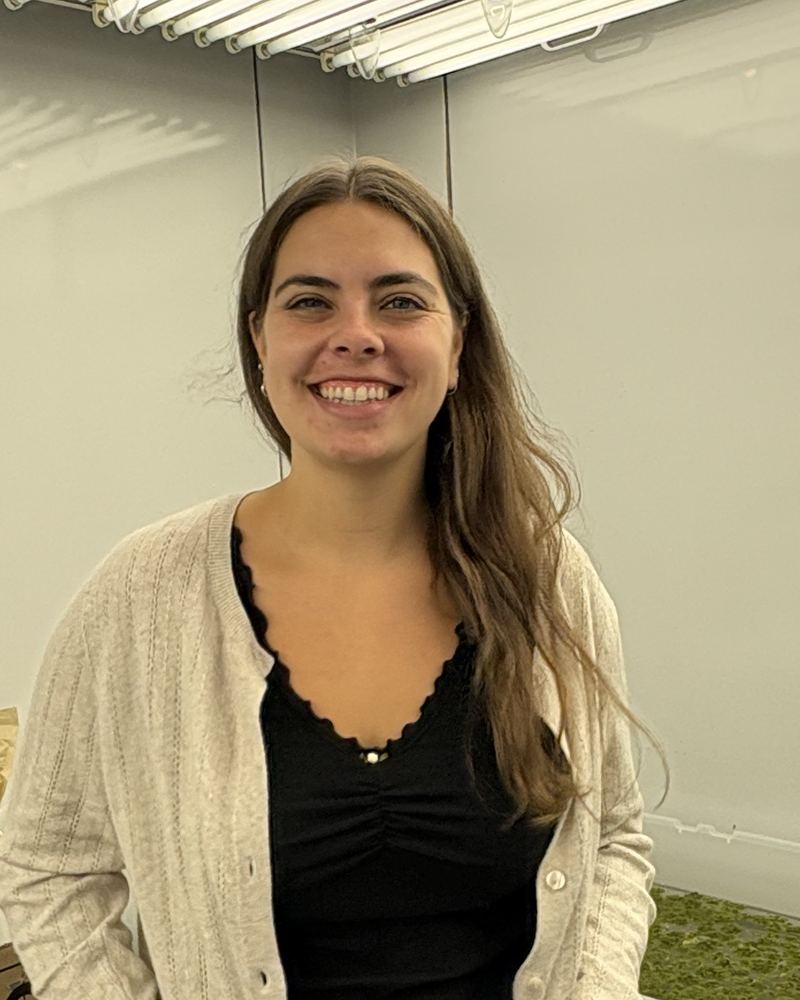
Darci Swenson Perger, Ph.D.
Postdoctoral Researcher
School of Marine and Atmospheric Sciences
A biogeochemist who leads the day-to-day Azolla growth experiments, including the phosphorus trials that show how to grow the most Azolla with the least fertilizer.
-
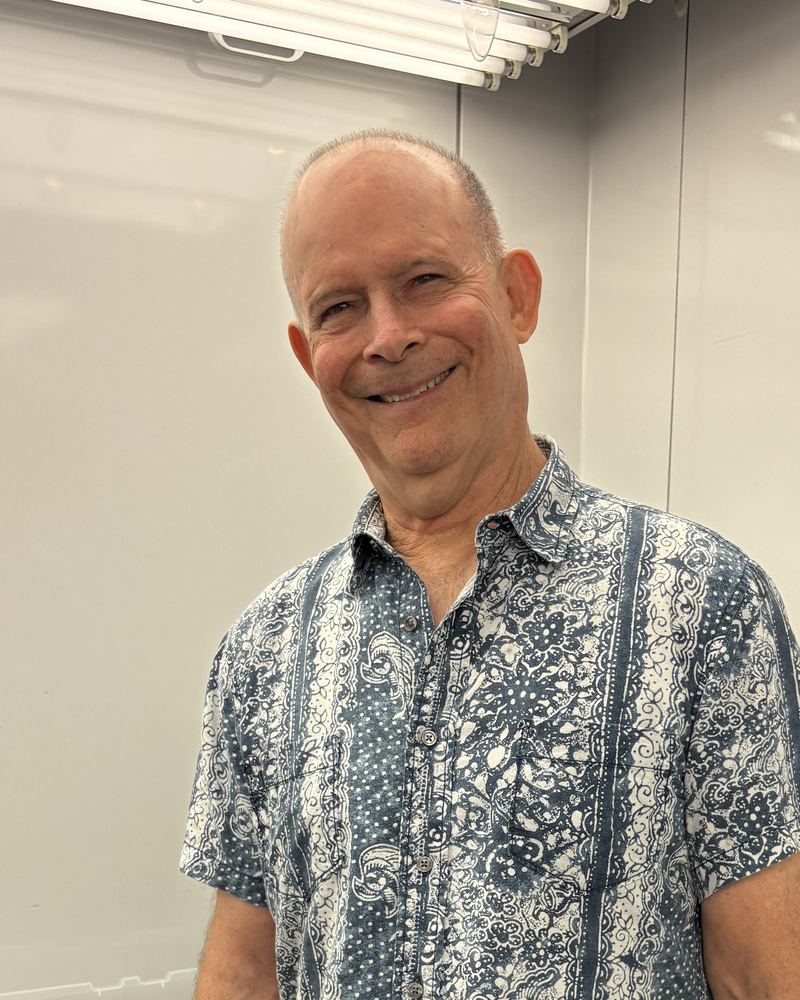
Jim Hoffmann, Ph.D.
Modeling and systems
School of Marine and Atmospheric Sciences
Leads the project's modeling and system design, including the ARC (Azolla for Reducing Carbon) model, which uses the team's experiments to predict growth, phosphorus use, and carbon storage.
-
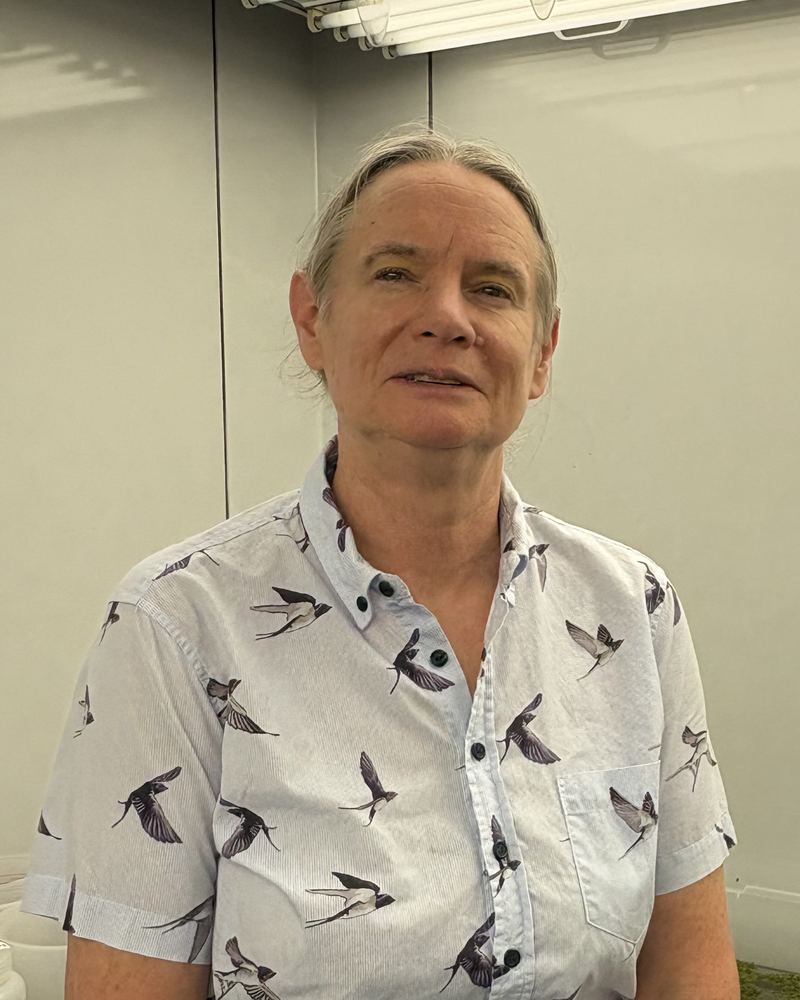
Jackie Collier, Ph.D.
Microbial ecology and water
Professor and Graduate Program Director, School of Marine and Atmospheric Sciences
The team's expert on microbial ecology and water, helping the project understand the microbial life in the water where Azolla grows and in the soil where harvested Azolla ends up.
-
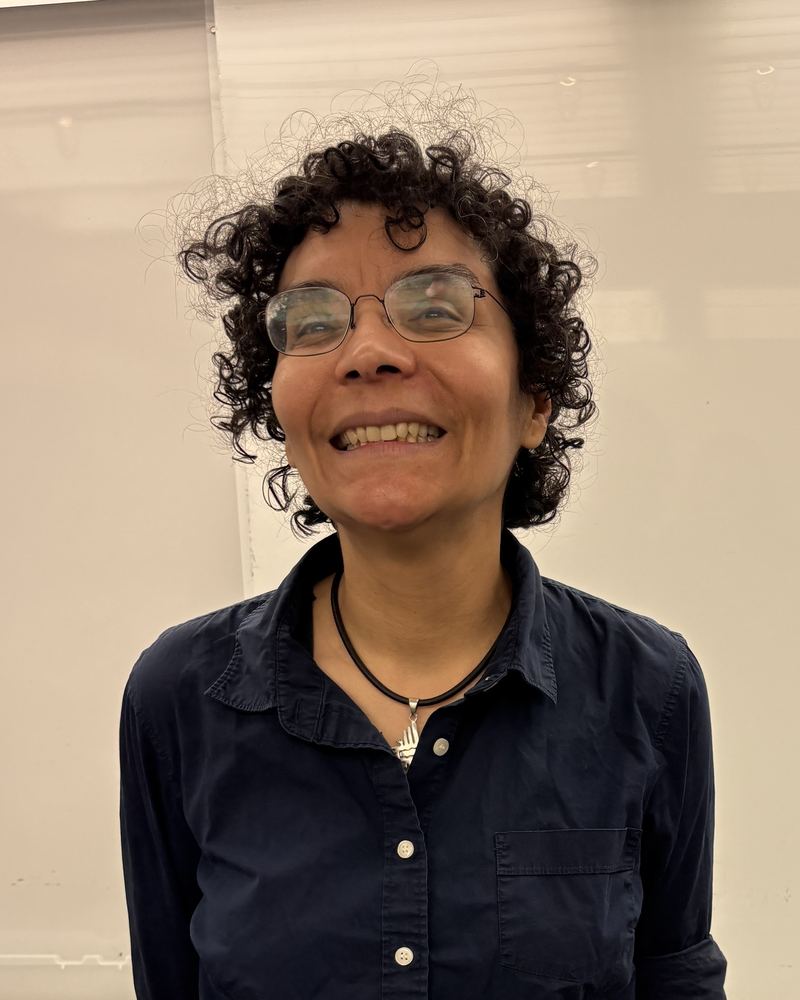
Liliana Dávalos, Ph.D.
Genetics and statistics
Professor of Conservation Biology, Department of Ecology and Evolution
Brings deep expertise in genetics and evolutionary biology, along with the statistical modeling used to analyze the team's growth data.
-
You?
Host a pond or join the research
We're always looking for new collaborators and pilot sites.
Get involved
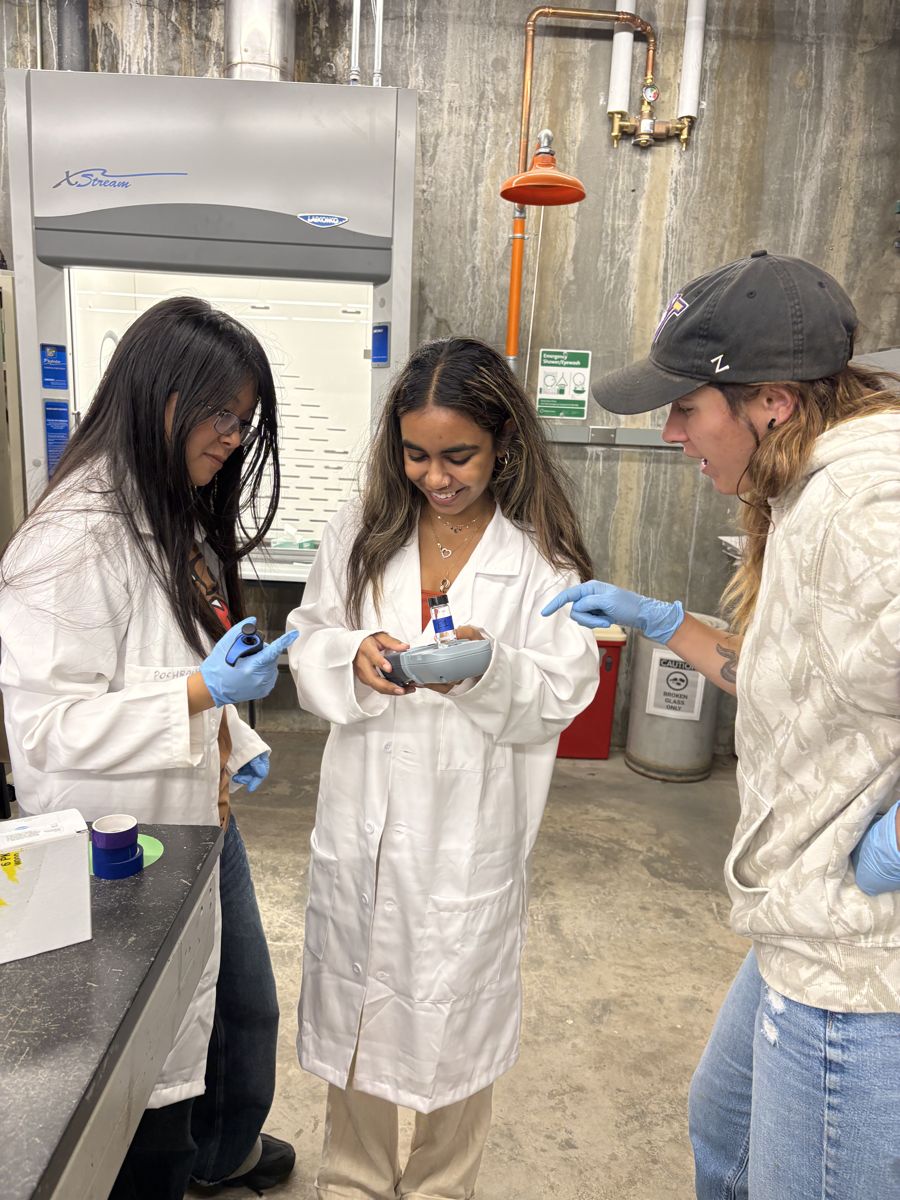
Student researchers
SoMAS undergraduates contribute to this research through the Earthworm Ecotoxicology Lab, a course-based research experience at Stony Brook.